Loud snoring, morning headaches, and feeling tired after a full night’s sleep may be signs of a sleep problem. One possible cause is sleep apnea, a condition in which breathing repeatedly stops and starts during sleep. If these symptoms occur often, a dentist in Calgary can help identify signs that may indicate a breathing problem and explain when further medical assessment is needed. Dentists do not diagnose sleep apnea on their own, but they can work with a physician to support care. Some people with obstructive sleep apnea may benefit from a custom oral appliance that helps keep the airway open during sleep. Recognizing the warning signs early can help you find the right care and improve sleep quality.
What Is Sleep Apnea?
Obstructive sleep apnea is a condition that occurs when the muscles and soft tissues at the back of the throat relax during sleep, blocking the flow of air. This can cause breathing to stop briefly, then resume with a snort, a gasp, or a sudden wake-up. These breathing problems can happen many times during the night.
Common signs include:
- Loud and frequent snoring.
- Short pauses in breathing are noticed by a partner.
- Waking up gasping or feeling like you are choking.
- Morning headaches or a dry mouth.
- Trouble paying attention during the day.
- Feeling sleepy even after getting enough sleep.
Snoring does not always mean you have sleep apnea. But if you stop breathing while sleeping or feel tired often during the day, talk to a healthcare professional.
How Can a Dentist Help With Sleep Apnea?
A dental professional can examine the mouth, jaw, tongue, and teeth for signs that may be linked to obstructive sleep apnea. A dentist for sleep apnea may also discuss whether an oral appliance could be suitable after a medical diagnosis.
Dental support may include:
- Checking the jaw, bite, and oral structures.
- Asking about snoring, sleep quality, and symptoms.
- Identifying signs that suggest a need for medical assessment.
- Coordinating with a physician or sleep specialist.
- Fitting and adjusting an oral appliance when appropriate.
A dentist cannot confirm sleep apnea through an oral examination alone. Diagnosis usually requires a sleep study arranged through a qualified medical provider.
What Is an Oral Appliance for Sleep Apnea?
A custom oral appliance is a small device worn over the teeth during sleep. One common type gently moves the lower jaw forward to help keep the airway open. This may reduce breathing blockages and snoring for some people.
Oral appliances may be considered for adults with obstructive sleep apnea who prefer them or cannot comfortably use continuous positive airway pressure (CPAP). They may also be an option for certain cases of mild-to-moderate sleep apnea.
The device must fit your mouth properly and be checked regularly. It may cause jaw pain, tooth soreness, a dry mouth, or changes in how your teeth fit together. Follow-up visits help the dentist for sleep apnea check if it feels comfortable and is working well.
When Should You Consider Sleep Apnea Treatment?
Frequent snoring and feeling tired all the time should not be ignored, especially if they affect your daily life. See a healthcare professional if your breathing stops during sleep or you often wake up gasping for air.
A care plan may involve a physician, a sleep specialist, and a dental professional. Depending on the diagnosis and severity, treatment may include:
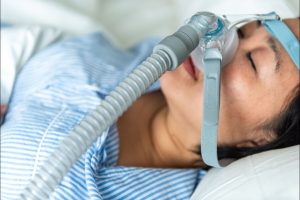
- CPAP therapy: A machine delivers steady air pressure through a mask to help keep the airway open.
- A custom oral appliance: A fitted device may help move the jaw forward during sleep.
- Lifestyle changes: Weight management when appropriate, limiting alcohol near bedtime, and sleeping on your side may help some people.
- Treatment of other causes: A healthcare provider may assess nasal blockage or other factors affecting breathing.
For people exploring sleep apnea treatment in Calgary, the right approach depends on a confirmed diagnosis, symptom severity, health history, and personal needs.
What Happens During Dental Care for Sleep Apnea?
If a physician confirms obstructive sleep apnea and an oral appliance is suitable, the dental process often includes several steps:
- Reviewing the diagnosis: The sleep study and medical recommendations help guide appliance selection.
- Checking oral health: Teeth, gums, jaw movement, and bite are examined.
- Taking measurements: Impressions or digital scans help create a custom-fit device.
- Adjusting the appliance: The fit and jaw position are adjusted for comfort and function.
- Checking results: Follow-up care helps assess side effects and whether further sleep testing is needed.
A dentist in Calgary can support this process and coordinate with the medical team to help ensure the appliance is working as intended.
Take the Next Step Toward Better Sleep!
Don’t ignore persistent snoring and waking up tired. Inglewood Family Dental can assess oral health, discuss dental options, and help coordinate next steps when sleep apnea is a concern.
Book an appointment today to discuss your symptoms and explore suitable dental support to improve your sleep.
FAQs
Can a dentist tell if I have sleep apnea?
A dentist may notice warning signs, but a medical provider must assess and diagnose the condition. A sleep study is often needed to confirm it.
Can an oral appliance stop snoring?
It may reduce snoring when the sound is caused by airway narrowing during sleep. Snoring has different causes, so assessment helps determine whether an appliance is appropriate.
Is an oral appliance as effective as CPAP?
CPAP is generally more effective at controlling breathing events, especially in more severe cases. An oral appliance may suit some people, depending on their condition and ability to use it consistently.
Do I need a sleep study before getting an appliance?
Yes. A medical diagnosis is important before starting an oral appliance for sleep apnea. Follow-up testing may also be needed to check that treatment is effective.