A child’s first dental visit helps keep their teeth and gums healthy. It should happen by their first birthday or within six months of their first tooth appearing, whichever comes first. Even if your child has only one or two teeth, the dentist can check how they are growing and show you how to clean them, care for teething gums, and prevent cavities. Choosing a dental clinic in Calgary SE that cares for young children can help make the first visit easier. Early checkups also help detect dental problems before they worsen and teach parents how to care for their child’s teeth from the start.
When Should a Child First Visit the Dentist?
A child should see a dentist by their first birthday or within six months of their first tooth appearing. This recommendation applies even when the child has only a few teeth and shows no signs of dental problems.
An early visit helps the dentist:
- Check the teeth, gums, and mouth for signs of early tooth decay.
- Look at how the teeth and jaws are developing.
- Explain how to clean baby teeth properly.
- Discuss feeding habits that may increase the risk of tooth decay.
- Answer questions about teething, pacifiers, and thumb-sucking.
Baby teeth help children chew food, learn to speak clearly, and hold space for permanent teeth. Keeping them healthy matters, even though they eventually fall out.
Why Is an Early Dental Visit Important?
Cavities can start forming as soon as a baby’s first tooth comes in. Bacteria in the mouth use sugar from food and drinks to make acids that damage the hard outer layer of the teeth. Having sugary drinks and snacks often can increase the risk of cavities.
Early dental visits also help parents learn how to care for their child’s teeth as their child grows. A dentist can show parents how to brush their child’s teeth, suggest the right fluoride toothpaste, and share simple tips for daily dental care.
Looking for children’s dentistry in Calgary SE can help parents find dental care suited to a young child’s needs. Starting early may also help a child become familiar with the dental setting before treatment is needed.
What Happens During a Child’s First Dental Visit?
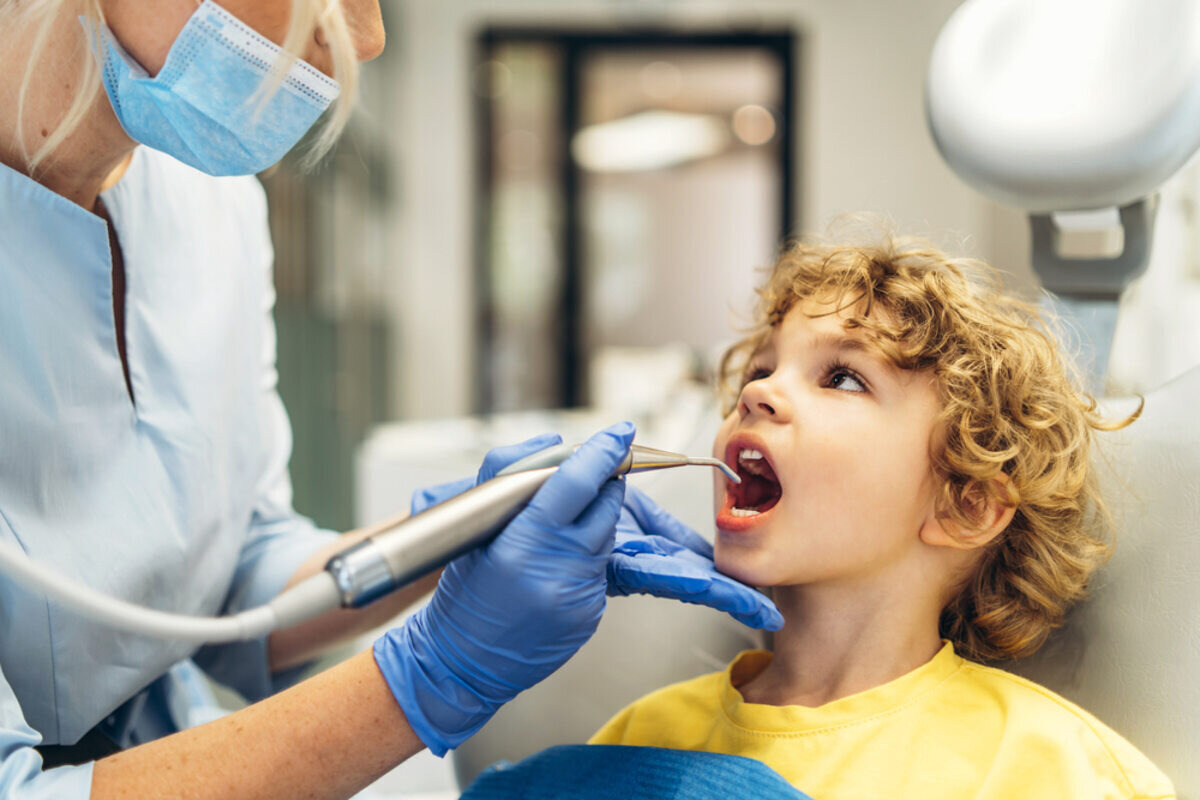
The first appointment is usually simple and focused on prevention. The dentist may examine the child’s mouth while the child sits on a parent’s lap, depending on their age and comfort.
The visit at a dental clinic in Calgary SE may include:
- Checking the mouth: Looking at the teeth, gums, tongue, and other parts of the mouth.
- Reviewing oral care: Explaining how to brush and protect baby teeth.
- Discussing food and drinks: Reviewing feeding habits that may affect tooth health.
- Answering parents’ questions: Talking about teething, fluoride, and pacifier use.
- Planning future visits: Suggesting a checkup schedule based on the child’s needs.
A cleaning or other treatment may not be needed at the first appointment. The main goal is to check oral health and help parents understand how to care for their child’s teeth.
How Can Parents Prepare Their Child?
A little preparation can help make the first dental visit easier for both the child and parent.
Try these simple steps:
- Book the visit at a time when your child is usually rested and calm.
- Talk to your child about the dental visit in a friendly way, using words they can easily understand.
- Make a note of anything you want to ask the dentist, such as how to brush your child’s teeth or care for teething gums.
- Share information about your child’s health, any medicines they take, and their daily routine.
- Let your child bring a favourite toy or blanket if it helps them feel calm.
- Help your child see dental visits as a normal part of staying healthy.
Avoid using them as a warning or punishment. Your calm and caring words can help your child feel safer during future visits.
How Often Should Children Visit the Dentist?
After the first visit, many children need a dental checkup every six months. However, the dentist may recommend additional visits based on the child’s dental condition and risk of cavities.
Between visits, parents can help keep their child’s teeth healthy by:
- Brushing their child’s teeth twice a day with a small, soft toothbrush.
- Using a tiny amount of fluoride toothpaste, about the size of a grain of rice, for children under three years old.
- Helping children aged three to six use a pea-sized amount of fluoride toothpaste.
- Supervising brushing and encouraging children to spit out the toothpaste rather than swallow it.
- Limiting frequent sugary snacks and drinks.
A visit should happen sooner if a child has tooth pain, visible spots or holes in a tooth, swollen gums, or a dental injury. Do not wait for the next routine checkup if a concern appears.
Give Your Child a Healthy Start with Early Dental Care!
Healthy baby teeth play an important role in chewing, speaking, and making room for permanent teeth. An early dental visit helps identify potential concerns and gives parents the knowledge they need to care for their child’s growing smile. Inglewood Family Dental is here to help you understand your child’s dental needs and build good oral care habits from an early age. Book your child’s first dental appointment today to discuss their oral health, get practical brushing tips, and learn how to protect their teeth as they grow.
FAQs
Can a baby get a cavity in their first tooth?
Yes. A baby’s first tooth can get a cavity soon after it comes in. Cleaning the teeth every day, using fluoride toothpaste, and limiting sugary drinks can help prevent cavities.
Should a child see a dentist if their baby teeth look healthy?
Yes. Early checkups can identify concerns that may not be easy to see at home. They also help parents learn how to care for growing teeth.
What if a child cries during their first dental visit?
Young children may cry because they are in a new place. Speaking softly, using easy words, and staying close to a parent can help them feel safe. The dental team can go slowly and give the child time to feel comfortable.
What should parents ask at the first dental visit?
Parents can ask how to brush their child’s teeth, which fluoride toothpaste to use, and how to care for teething gums. They can also ask about thumb-sucking, feeding habits, and when to book the next dental checkup. These tips can help parents care for their child’s teeth at home.