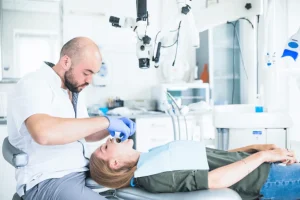
A cracked tooth can occur while eating, when biting something hard, or during sports. The pain may start suddenly, especially when chewing or drinking something cold. If a tooth cracks at 10 p.m., it can be difficult to know whether to wait until morning or seek help right away. The first step is to protect the tooth and prevent the damage from worsening. Knowing what to do before seeing a dentist in Calgary can also help reduce discomfort overnight.
A small crack may cause little or no pain, while a deeper crack can expose the inner part of the tooth and cause strong sensitivity. Even if the pain settles, the tooth still needs a dental check. A dentist can examine the damage and decide whether a filling, crown, or another treatment is needed.
What to Do When a Tooth Cracks at Night
If a tooth cracks after regular dental hours, take a few simple steps to protect it until it can be examined.
- Rinse gently: Use warm water to clean the area and remove loose food.
- Avoid chewing on that side: Put less pressure on the cracked tooth.
- Use a cold compress: Hold it against the outside of the cheek for short periods if swelling occurs.
- Keep the area clean: Brush gently around the tooth, avoiding the damaged area.
- Save any broken pieces: If a piece of the tooth has come off, keep it in a clean container and bring it to the appointment.
These steps may help manage discomfort, but they cannot repair the crack. Avoid using sharp objects to check the damaged area or trying to glue the tooth back together.
How to Manage Cracked Tooth Pain Overnight
For overnight relief of cracked-tooth pain, the main goal is to reduce discomfort without putting extra pressure on the tooth.
If suitable for your age and health, an over-the-counter pain reliever such as ibuprofen or acetaminophen may help. Follow the package directions and check with a pharmacist if there is any doubt about which medicine is safe to take.
Other helpful steps include:
- Choose soft foods if eating is necessary.
- Avoid very hot, very cold, very sweet, or very hard foods.
- Keep the head slightly raised while resting if throbbing pain feels worse when lying down.
- Do not place aspirin directly on the tooth or gums, as it can irritate the tissue.
Do not ignore severe or worsening pain. Swelling around the face or jaw, fever, pus, or difficulty swallowing or breathing may indicate a more serious problem. Seek urgent medical or dental care rather than waiting until morning. Difficulty breathing or swallowing requires emergency medical attention.
What If a Filling Breaks After Hours?
A broken filling after hours can leave the inside of a tooth exposed. This may cause sensitivity to air, food, or temperature changes. The tooth may also have a sharp edge that irritates the tongue or cheek.
Until an appointment is available:
- Rinse gently with warm water.
- Avoid chewing on the affected side.
- Keep sticky, hard, and sugary foods away from the area.
- Use temporary dental filling material from a pharmacy only as directed, if needed.
A temporary filling product is not a permanent repair. Avoid household glue or other materials that are not made for dental use. A dental examination is needed to determine whether the filling or the underlying tooth has been damaged.
When Should a Cracked Tooth Be Treated Urgently?
Not every crack needs the same level of care, but some symptoms should not wait until the next morning.
Seek urgent dental attention if there is:
- Severe or ongoing tooth pain.
- A large piece of the tooth missing.
- Swelling around the gums, cheek, or jaw.
- Bleeding that does not stop.
- Pain that makes it difficult to eat or sleep.
If the crack is small and there is no severe pain, swelling, or other warning sign, protecting the tooth and arranging the earliest available appointment may be reasonable. An emergency dentist in Calgary can assess the damage and advise whether immediate treatment is needed.
How a Cracked Tooth Is Handled the Next Morning
A 7-day dental clinic can make it easier to arrange care after a late-night dental problem. During the visit, the dentist will examine the damaged tooth, check for signs of more serious damage, and recommend suitable treatment.
The visit may include:
- Checking the tooth: The dentist looks for visible cracks, loose pieces, swelling, and other signs of damage.
- Asking about symptoms: Details about the pain, sensitivity, and when the crack happened help guide the assessment.
- Taking dental X-rays if needed: Images may help check the tooth and surrounding areas, although some cracks do not show clearly on X-rays.
- Discussing treatment: Depending on the extent of the crack, treatment may involve smoothing the sharp edge, placing a filling or crown, or performing root canal treatment. A severely damaged tooth may sometimes need to be removed.
If you need an emergency dentist open on Sunday in Calgary, check the clinic’s opening hours and available appointments before visiting. Call ahead to make sure they can see you.
Why Early Treatment Matters
A cracked tooth usually does not heal by itself. Chewing can worsen the crack, and germs can enter the damaged area. Getting treatment early can help save the rest of the tooth and prevent more problems.
A dentist near you can check whether the tooth can be repaired or requires further treatment. The best option depends on how deep the crack is, where it is, and how much of the tooth is damaged.
Give Your Cracked Tooth the Care It Needs!
A cracked tooth should not be left unchecked, even if the pain becomes mild or stops for a while. Getting it examined early can help prevent the damage from spreading and protect as much of the natural tooth as possible. Contact Inglewood Family Dental to explain your symptoms and arrange a visit. The dental team can assess the damage, discuss suitable treatment options, and help you take the next step towards a healthier, more comfortable smile.
FAQs
Can a cracked tooth wait until morning?
A small crack without much pain or swelling may be checked by a dentist the next morning. However, severe pain, face swelling, fever, or trouble swallowing needs urgent dental care.
Should a cracked tooth be brushed?
Yes. Brush gently with a soft toothbrush, taking care not to press hard on the damaged area.
Can a cracked tooth cause pain only when biting?
Yes. A crack may cause pain when biting or releasing pressure. This symptom still needs a dental examination.
What should be avoided after cracking a tooth?
Avoid hard, sticky, very hot, or cold foods. Do not chew on the affected side or try to repair the tooth with household products.