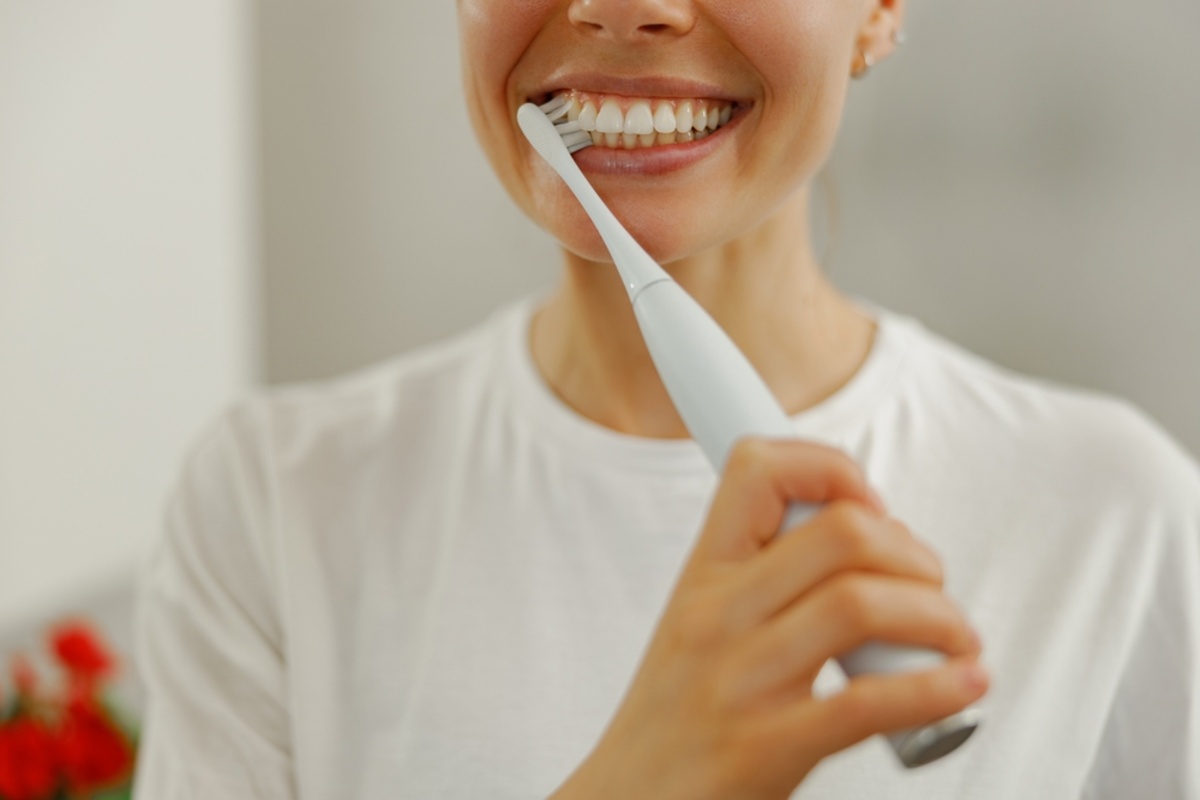
Walk into any dental clinic in Calgary and ask the dentist one simple question: Should I switch to an electric toothbrush? Chances are, the answer will be yes — but with a bit of context.
So how much have electric toothbrushes changed since we first started using them? Well, quite a bit. It’s 2026, and electric toothbrushes are now more accessible and more powerful than ever before. But should you spend that bit of extra cash? We tell you all about it here.
What Is the Difference Between Manual and Electric?
A manual toothbrush works exactly the way it always has. You move it back and forth across your teeth using your hand and arm. The results depend entirely on your technique and how much time and effort you put in.
An electric toothbrush does the movement for you. The brush head rotates, oscillates, or vibrates at a speed your hand simply cannot match. All you have to do is guide it along your teeth and gumline.
That difference in movement is the key to why dentists talk about electric toothbrushes so often.
What the Research Actually Says
Studies have consistently shown that electric toothbrushes remove more plaque than manual ones when used for the same amount of time.
One of the most cited findings is that oscillating-rotating electric toothbrushes—the kind where the head spins in one direction and then the other—reduce plaque and gum inflammation more effectively than manual brushing over time.
This does not mean a manual toothbrush is useless. Someone who brushes with excellent technique for a full two minutes twice a day can still maintain very healthy teeth. But let us be honest — most people do not brush with perfect technique every single time. That is where the electric toothbrush fills the gap.
Who Benefits Most From an Electric Toothbrush?
Electric toothbrushes are helpful for just about everyone, but they make the biggest difference for certain groups.
People With Gum Disease or a History of It
Gum disease is one of the most common oral health problems dentists see. Electric toothbrushes are particularly good at cleaning along the gum line—the area where plaque buildup leads to gum inflammation. For patients managing or recovering from gum disease, the extra cleaning power matters.
People With Limited Hand Mobility
For anyone dealing with arthritis, tremors, or other conditions that affect hand movement, an electric toothbrush is genuinely life-changing. The brush does most of the work, making it much easier to clean all areas of the mouth without strain.
Children
Teaching your kids to brush well is a hurdle all parents have to face! Many children find electric toothbrushes much more exciting. Most models marketed towards children come with colourful themes and have timers and functions that make brushing less of a chore. Healthy brushing habits start in childhood and extend throughout a lifetime.
People Who Brush Too Hard
Many people press too hard when they brush, which can wear down enamel and irritate the gums over time. Most electric toothbrushes have a pressure sensor that alerts you when you are pressing too hard. That kind of real-time feedback is something a manual brush simply cannot offer.
People With Braces or Dental Work
It is hard to clean around the brackets, wires, and restorations with a manual toothbrush. An electric toothbrush can reach more easily around the orthodontic hardware and therefore prevent plaque from accumulating and decay from forming.
Common Concerns About Electric Toothbrushes
Are They Too Expensive?
This is the most common reason people stick with manual brushes. And it is a fair concern. A quality electric toothbrush can cost anywhere from thirty to over two hundred dollars, and replacement heads add to the ongoing cost.
That said, the price range is wide. There are reliable electric options at very accessible price points that still outperform manual brushing. You do not need to buy the most expensive model on the shelf.
When you consider the cost of a single dental filling or a round of treatment for gum disease, investing in a better toothbrush starts to look like a very smart choice.
Are They Complicated to Use?
Not at all. Using an electric toothbrush is actually simpler than manual brushing. You hold it at the right angle, move it slowly from tooth to tooth, and let the brush head do the work. Most people are comfortable with it within the first few days.
Can They Damage Teeth or Gums?
Used correctly, no. In fact, as mentioned earlier, most electric models have built-in pressure sensors to prevent over-brushing. The risk of damage is actually lower than with aggressive manual brushing.
Make the Most of Your Electric Toothbrush
Going electric is only half the battle, though; the technique still counts. These tips can help you make the most of your brushing:
- Hold your toothbrush at a 45-degree angle toward your gumline
- Brush gently from tooth to tooth, not too quickly
- Brush for at least two minutes, cleaning all sides of each tooth
- Change the toothbrush head every 3 months or earlier if it looks worn
- Do not scrub—just use gentle pressure
- Brush twice a day and floss once a day
Does the Brand Matter?
There are many brands on the market in 2026, and the competition has driven quality up across the board. The most well-known names include Oral-B and Philips Sonicare, both of which have decades of clinical research behind them.
Oral-B uses an oscillating-rotating motion, which has strong evidence behind it for plaque removal. Sonicare uses sonic vibration, which is gentler and works well for sensitive gums.
Both are good choices. The best electric toothbrush is ultimately the one you will use consistently and correctly.
What Dentists Actually Recommend
If you visit a dental clinic near you and ask about toothbrushes, the response of almost every dentist will be: The brand does not matter as much as doing it consistently. Brush twice a day and do it every day. Change your toothbrush head often. Do not forget to floss.
But given a choice between manual and electric, most dentists lean toward electric—especially for patients who have had cavities or gum issues or who struggle to brush for the full two minutes. The built-in timer alone is one of the most underrated features. Research consistently shows that people brush longer when using an electric toothbrush compared to a manual one.
So Are They Worth It in 2026?
Yes — for most people, the answer is yes. Electric toothbrushes remove plaque more effectively, encourage better habits, protect against over-brushing, and make proper technique easier to achieve. They are more accessible than ever, with good options available at a range of price points.
If you are already brushing with excellent technique and have no oral health concerns, your manual toothbrush may be working just fine. But for the majority of people, switching to electric is one of the simplest upgrades you can make for your long-term oral health.
A Brighter Smile Starts With the Right Care — Visit Inglewood Family Dental Calgary
Good tools make good habits easier. Whether you are thinking about switching to electric or just want honest advice about your current routine, the right dental team can point you in the right direction.
For comprehensive and quality care, look no further than Inglewood Family Dental Calgary—a dental practice where the objective is always for patients to achieve long-term dental health and smiles they can rely on. Schedule your next appointment with our dental team today to learn how you can protect your smile for the future!
Frequently Asked Questions
Q1: Can I use an electric toothbrush with sensitive teeth?
Yes. Lots of electric toothbrushes include a “sensitive” setting, which uses a lower speed, while sonic toothbrushes in general can be kinder on sensitive teeth and gums.
Q2: How long should I brush with an electric toothbrush?
Two minutes, twice a day — the same as with a manual brush. Most electric models have a built-in two-minute timer to help.
Q3: Do electric toothbrushes replace the need for flossing?
No. Flossing removes plaque and food from between the teeth and under the gumline in areas the brush cannot reach. Both are necessary.
Q4: At what age can children start using an electric toothbrush?
Most children can start using a child-specific electric toothbrush around age three, with adult supervision. Ask your dentist for a recommendation based on your child’s needs.