Getting a tooth pulled is never fun. If you smoke, it is important to know when it is safe to light up again. The short answer? Wait as long as possible. Smoking after a tooth extraction can cause serious problems, including delayed healing and dry socket. For guidance on proper care, a Calgary dental clinic can provide instructions to ensure safe recovery.
What Happens After a Tooth Extraction?
When your dentist removes a tooth, you’re left with an empty socket in your gum. Your body immediately starts healing this wound. Here’s what happens:
- A blood clot forms in the socket within the first 24 hours
- This clot protects the bone and nerves underneath
- New tissue starts growing over the area
- The socket slowly fills in with bone over several weeks
Think of the blood clot like a natural bandage. Proper healing after tooth extractions in Calgary SE is very important.
Why Smoking Is Dangerous After Tooth Removal
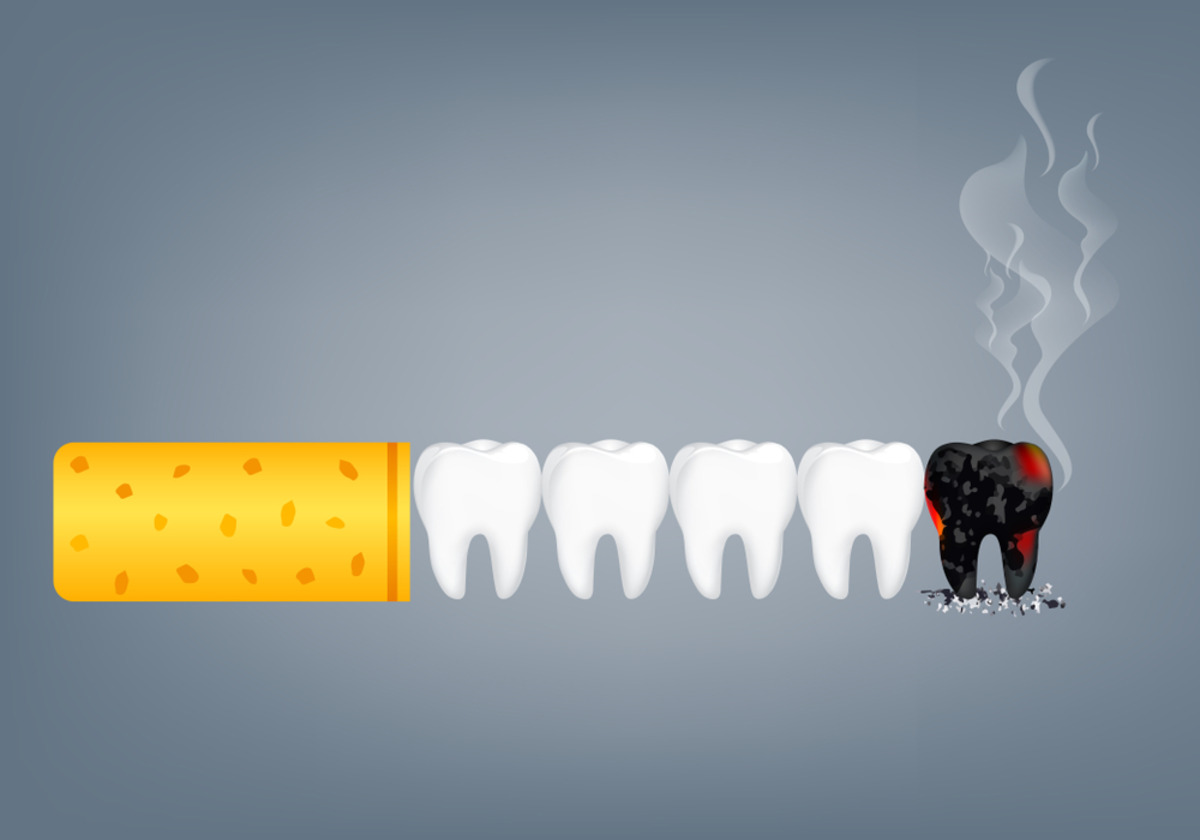
Smoking causes several problems when you’re trying to heal from tooth extractions. Let’s break down the risks of smoking after tooth removal:
The Suction Problem
When you inhale from a cigarette, you create suction in your mouth. This pulling motion can dislodge the blood clot from the socket. Without this protective clot, you’re in trouble.
Chemical Damage
Cigarette smoke contains over 7,000 chemicals. Many of these slow down healing by:
- Reducing blood flow to the gums
- Lowering oxygen levels in your blood
- Damaging the tissue while it is trying to heal
- Increasing infection risk
Heat and Irritation
The hot smoke irritates the extraction site and can burn the delicate tissue that’s trying to repair itself.
The Scary Risk: Dry Socket
Dry socket is the most common concern after tooth extraction among smokers. This painful condition occurs when a blood clot is lost or doesn’t form properly.
Dry Socket Causes and Prevention
What causes dry socket:
- Smoking (the number one cause)
- Using straws
- Spitting forcefully
- Not following your dentist’s care instructions
- Poor oral hygiene
Signs you might have a dry socket:
- Severe pain 2-3 days after extraction
- Bad breath or bad taste in your mouth
- Visible bone in the empty socket
- Pain that spreads to your ear or eye
Prevention tips:
- Don’t smoke for at least 72 hours (longer is better)
- Avoid all suction activities
- Follow your Calgary dentist near you’s instructions carefully
- Keep the area clean, but be gentle
- Take prescribed medications as directed
If you experience severe pain after extraction, it could be a sign of dry socket or infection — contact our team for an emergency dental appointment in Calgary right away.
Healing Time After Tooth Extraction
Understanding the healing timeline helps you know when smoking becomes less risky:
- Days 1-3: Most critical period. The blood clot is forming and is very fragile. Smoking now has the highest risk.
- Days 4-7: The clot becomes more stable. Tissue starts covering the socket. Still risky to smoke.
- Weeks 2-3: Soft tissue healing is well underway. Smoking risk decreases, but isn’t gone.
- Weeks 4-8: The socket fills with bone. Much safer, but healing continues.
Most dental professionals recommend waiting at least 72 hours before smoking. However, waiting 7-10 days gives you much better protection. Some patients wait even longer to ensure complete healing.
Wisdom tooth removals are especially prone to complications from smoking — learn more about wisdom teeth removal in Calgary and what to expect.
Tips for Smokers Recovering from Extractions
If you absolutely cannot wait to smoke, here are harm-reduction strategies (though waiting is still best)
Minimize damage
- Wait at least 72 hours minimum
- Don’t inhale as deeply
- Avoid holding smoke in your mouth
- Rinse gently with salt water after smoking
- Consider nicotine patches or gum instead (check with your dentist first)
Visit your dental clinic if you notice
- Increasing pain after day 2-3
- Fever or swelling that gets worse
- Bleeding that won’t stop
- Signs of dry socket
The Bottom Line
Your mouth is trying to heal after a tooth extraction. Smoking makes this job much more complicated and increases your risk of painful complications like dry socket. The chemicals, heat, and suction from smoking all work against your body’s natural healing process.
For the best recovery, it is important to follow things to avoid after tooth extraction, including smoking, using straws, or touching the extraction site. If you’re planning to have a tooth removed, consider this an opportunity to quit smoking entirely. Your dentist near you can provide resources and support for quitting.
Restore Your Smile with Tooth Extraction
At Inglewood Family Dental Calgary, we provide safe and gentle tooth extractions in Calgary for patients of all ages, with clear aftercare instructions to protect your healing. Our experienced dentists focus on reducing pain and ensuring proper healing time after tooth extraction. We use modern techniques to prevent complications like dry socket and guide you on things to avoid after tooth extraction.
Contact us today to schedule your appointment! Let’s restore your smile safely!
Frequently Asked Questions
Can I use a vape or e-cigarette after a tooth extraction?
No. Vaping creates the same suction and delivers chemicals that slow healing. Wait just as long as you would with regular cigarettes—at least 72 hours, preferably longer.
What if I already smoked, and it’s only been one day?
Stop smoking immediately and watch for signs of dry socket. Contact your dental clinic if you develop severe pain, bad taste, or can see bone in the socket.
Are nicotine patches safe to use after extraction?
Nicotine patches are safer than smoking because there’s no suction or smoke. However, nicotine still reduces blood flow. Ask your dentist before using them.
How do I know if I have a dry socket?
Dry socket typically causes severe pain 2-4 days after extraction, bad breath, bad taste, and sometimes visible bone. See your dentist immediately if you suspect dry socket.
Can I smoke after 48 hours if I’m feeling fine?
While risk decreases after 48-72 hours, waiting 7-10 days is much safer. Feeling fine doesn’t mean the blood clot is secure enough to withstand smoking.